







Some dogs hate rain on their coat, some hate wet feet, and some are truly scared. Why dogs refuse to go in bad weather, what helps, what to skip, and when it is a vet call.
It is pouring. You are in the yard with a leash and a soggy hood. Your dog is on the porch, under the roof, giving you a look that says absolutely not. Ten minutes later you both give up, and you spend the next hour watching them like a hawk.
Here is why some dogs refuse, what helps, and when it becomes a vet question.
The short answer
Some dogs hate rain landing on them, some hate wet feet, some get cold fast, and some storm-fearful dogs are truly scared. Offer a covered spot, a raincoat if your dog accepts one, and a potty cue taught on dry days. Reward as they finish, outside. Never punish. Straining or new indoor accidents mean a vet call.
Why some dogs refuse
We found no study of rain-shy dogs. Trainers and veterinary behaviorists do name a few usual suspects.
- Rain on their coat, or wet feet. Certified professional dog trainer Sassafras Patterdale, writing for the American Kennel Club, says some dogs seem to mind the water landing on them most, while others mind the soggy ground underfoot.
- A short or thin coat. Dogs that chill easily can get cold in the rain, she adds: hairless, short-coated and lean breeds like sighthounds, and often small dogs.
- Storm fear. Board-certified veterinary behaviorist Dr. Stephanie Borns-Weil, writing in the Merck Veterinary Manual, says a dog with a thunderstorm phobia might start fearing rain, wind or shifts in air pressure, and lists rain among the outdoor scares that can contribute to accidents indoors. A Penn Vet behavior handout says some storm-fearful dogs end up panicking at any rain or wind, even "gentle rain."
Our take: the first two are dislike. The third is fear, which Penn Vet stresses is not voluntary, and it needs a slower plan.
Give them a roof
The AKC's shelter ideas include a garden bed under a covered patio, the ground beneath a big tree, or, on a city walk, the curb under a scaffolding overhang.
An umbrella is a roof you can carry. Our tip: hold it over your dog, not yourself. You were getting wet anyway.
A raincoat, if your dog will wear one. The AKC says many dogs who dislike rain on their backs do better in a properly fitted raincoat, and well-fitted boots can help some dogs with wet feet. Introduce it slowly, Patterdale suggests: a sniff and a treat, then on briefly, treat, off, building up from there. If your dog looks distressed, take it off. (Cold-day coats: see how cold is too cold to walk your dog.)
Same spot, same word
A VCA Animal Hospitals house-training guide by board-certified veterinary behaviorist Dr. Ellen Lindell and a coauthor recommends one outdoor toilet area, reached on leash through the same door every time, plus a calm spoken cue. On wet days, make that spot the covered one.
The cue is the real rain hack. Patterdale's AKC advice: teach it in weather your dog likes. At first, say the cue as your dog finishes. Once they catch on, say it as they start, and only while they are actually going, with a high-value treat ready. She also suggests practicing in many places (her full method). Our reading: a home spot for every day, and a cue that travels. Building good feelings about rain early is especially useful with puppies, the AKC says (see our puppy poop schedule).

Reward fast, business before fun
Reward outside, as they finish. The VCA guide says to reward while you are still near the potty spot, not once you are back inside. The AKC adds a caution: wait until your dog is nearly done, or your praise can make them stop early. The treat lives in your pocket, not the kitchen.
Business first. The VCA guide recommends holding off on play and off-leash time until your dog has gone, which teaches them to get on with it. Our take: for a rain-hater, the prize may be the door. The AKC's rain walking advice notes that if you head home as soon as your dog goes, dogs quickly learn that going is what gets them back inside. Out, cue, go, treat, home. (For dogs who love being outside, the AKC warns the opposite: heading straight in can sour the cue.)
If your dog is scared, go slow
Penn Vet's handout lists panting, pacing, trembling and hiding among the signs of storm fear. That dog is not being stubborn.
For fears, Dr. Borns-Weil describes desensitization (presenting the scary thing at a level too low to cause a reaction) plus counterconditioning (linking it to something great, like food). Forcing a dog to face its fear at full strength is called flooding, and she is blunt: "Flooding is not recommended." Done wrong, it can make things worse.
Our example for rain: open the door in a light drizzle and toss a treat. Next time, one step out, then a treat. Later, the covered spot. Stop before your dog looks worried.
The caveat: Penn Vet's handout says there is no good evidence dogs can be desensitized to storms, probably because no recording can recreate a real one, and calls anti-anxiety medication essential for most dogs whose storm fear is moderate or severe. Merck says medication might be needed early. Only a vet can prescribe it, so start there, and ask about a board-certified veterinary behaviorist.
What not to do
Do not punish. Not for holding it, not for the accident, not for the shaking.
- It does not work. Merck calls punishment after you find an accident ineffective: your dog will not connect it to what happened earlier, and it might make them anxious. The ASPCA adds that rubbing a dog's face in it can make them fear you.
- It can backfire on the leash. Punishing a dog caught in the act, Merck says, can make them afraid to go while their owner is there, which slows house training. The VCA guide gives a similar warning. Now picture that dog on a leash, in the rain, right next to you.
- It cannot fix fear. As Penn Vet's handout puts it, "punishment only inhibits behavior; it does not calm."
When holding it becomes a health problem
The AKC notes that a dog who refuses to go and holds their bladder can end up "uncomfortable or even unsafe." Reluctance alone is a training problem. Reluctance plus any of these is a vet call:
- Straining with little or nothing to show for it, pee or poop. VCA's urgent care team says trouble urinating can be a sign of serious, potentially life-threatening disease.
- No poop within 48 to 72 hours of the last one. That is when VCA says to call your vet (here is what normal looks like). VCA also lists fear, anxiety and too little exercise among possible causes of constipation.
- New accidents in a house-trained dog, especially on dry days too. Merck says medical problems have to be ruled out before house soiling is treated as behavior, and the VCA guide says to check with your vet.
The wet-walk routine
A towel by the door. The AKC's paw care advice is a quick rub with an absorbent microfiber towel. When you clean paws, spread the toes to check for debris or irritation, then dry them well.
Soggy poop. Rain does not wash it away so much as move it: the EPA says stormwater can carry pet waste left on the ground into streams, lakes and rivers (more in how long dog poop takes to decompose). In our experience, a pile that sits in the rain only gets harder to lift in one piece, so grab it fast: bag inside out over your hand, scoop from underneath, and add a second bag if it is mushy. And no, rain does not count as pickup (here is what local poop laws say).
Snow and dark. For frozen piles and snow, see our winter poop bag guide. For rainy potty breaks after dark, see walking your dog in the dark.
The bottom line
Take the rain out of it, teach a word that means "now, please," and keep the trip short. If your dog is scared rather than fussy, or straining or new accidents show up, bring in your vet.
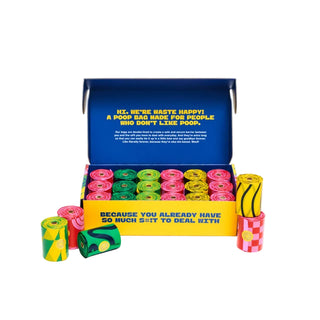
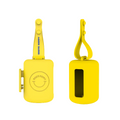
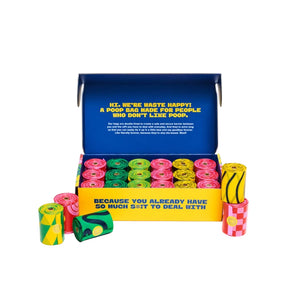
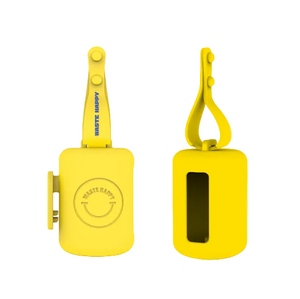
Rain or shine, the bag still comes along. Take the quiz to see how many bags your dog actually needs each month, or grab a box before the next wet stretch.
This article is general information, not veterinary advice. If your dog is straining, has gone 48 to 72 hours without a bowel movement, is having new accidents indoors, or panics during rain or storms, talk to your vet.
Sources
- American Kennel Club, Training Dogs to Potty in Rain, Snow, or Other Bad Weather
- American Kennel Club, How to Train Your Dog to Walk in Rain or Snow
- American Kennel Club, How to Teach Your Dog to Go Potty on Cue
- VCA Animal Hospitals, House Training for Puppies and Dogs
- Borns-Weil S., Behavior Problems of Dogs, Merck Veterinary Manual, 2025
- Penn Vet Ryan Veterinary Hospital, Behavior Medicine, Fear of Thunderstorms and Fireworks
- ASPCA, House Training Your Dog or Puppy
- VCA Animal Hospitals, Constipation in Dogs
- VCA Animal Hospitals Urgent Care, Urgent Care for Urinary Concerns
- American Kennel Club, How to Care for and Clean Dog Paws and Paw Pads
- US Environmental Protection Agency, Stormwater Best Management Practice: Pet Waste Management, February 2023