








Leaving town for the holidays? An honest look at boarding, a pet sitter or bringing your dog along, plus the vaccines to sort out weeks ahead and the cough to watch for after.
Holiday plans have a way of getting made before anyone checks with the dog. Thanksgiving is Thursday, November 26, and if you are leaving town, your dog needs a plan too. Some of it, like a first-time canine flu vaccine series, takes weeks, not days.
The short answer
A boarding kennel suits social, healthy dogs. An in-home sitter keeps dogs with separation anxiety and multi-pet homes on familiar ground. Bringing your dog works if they travel well. Whichever you pick, visit first, do a trial run, sort out vaccines weeks ahead, and watch for coughing for about two weeks after a kennel stay (our rule of thumb).
Three options, side by side
Boarding kennel. A good kennel can sometimes offer more structure than home, with several bathroom trips a day, plus playmates for social dogs, according to the American Kennel Club. Seniors and dogs on medication for a serious condition might do better boarding at a vet clinic, says certified applied animal behaviorist Dr. Mary Burch in the AKC's guide.
In-home sitter. Your dog stays on home turf, and with several pets, one sitter replaces several kennel bills. The AKC calls it typically the most expensive option, and warns against a drop-in-only plan for long trips, since a dog left alone for days is likely to get lonely and anxious, however often the sitter stops by. As Dr. Burch puts it, "Dogs with separation anxiety may do better if they are left at home when you travel."
Bring them along. The AKC's travel guide suggests a vet checkup before an extended trip, a copy of vaccine records, a seatbelt, car seat or harness made for dogs, and frequent stops. Many hotels do not allow dogs, and each airline sets its own pet rules. Driving? Our road trip and travel guide covers the bag side. Headed to a holiday table? Check which Thanksgiving foods are safe for dogs.
Vaccines: start weeks ahead, not the morning of
Reputable kennels require vaccine records, and the AKC lists the usual ones: distemper, parvovirus, rabies, Bordetella and canine influenza. Two of those catch people out on timing.
Bordetella, one of the bacteria behind kennel cough, is a noncore vaccine in the American Animal Hospital Association's 2022 guidelines, recommended based on a dog's lifestyle and risk rather than for every dog. It comes as nose drops or a liquid inside the cheek (one dose each), or as an injection (two doses, 2 to 4 weeks apart), with yearly boosters. The AKC says the nose and mouth versions typically protect within three to five days, and that a dose the morning of check-in "won't help much." For high-risk dogs, AAHA says an extra nose-drop booster before boarding may be worth it.
The canine influenza vaccine is not one AAHA recommends for every dog. It says the decision should depend on whether the virus is circulating, especially for dogs that board, go to daycare or travel. If your kennel requires it, the series is two doses, 2 to 4 weeks apart, then a booster within a year and yearly after that. One shot does not cut it: the Merck Veterinary Manual says two doses are needed for an effective immune response.
Now the calendar. This is our own arithmetic, not a vet group's rule. November 5 to Thanksgiving is exactly three weeks. A dog new to the flu vaccine needs both doses, at least two weeks apart, and as the AKC notes about Bordetella, the immune response takes time to develop. So if your kennel requires the flu shot, call your vet and the kennel now. For Christmas, early November is a comfortable start.
Kennel cough: what to watch for
"Kennel cough" is the everyday name for canine infectious respiratory disease complex, or CIRDC. A fact sheet from Ohio State's veterinary college says at least nine bacteria and viruses have been tied to it, including Bordetella, parainfluenza and canine flu, and dogs often carry more than one. It spreads nose to nose, through coughs and sneezes, and on shared bedding, toys and hands. Some dogs spread it before they look sick, or without ever looking sick, which makes it hard to stop where dogs mix. Kennels, daycares, dog parks and shelters are on the sheet's list of highest-risk settings.

A recent example: on October 8, Gainesville station WCJB reported that a respiratory outbreak had led the Alachua County Animal Shelter in Florida to suspend intakes and adoptions. On October 21, it reported that dog adoptions were resuming. Staff had been tracking cases of "zoo strep," and a veterinarian said none could be confirmed. A shelter is not a boarding kennel, and this is no reason to panic, just a reminder of how fast a respiratory illness can spread under one roof.
Signs to watch for:
- A sudden, harsh, dry cough. Cornell describes it as "honking."
- Gagging or retching that brings up foam and can be mistaken for vomiting.
- Sneezing, or a runny nose or eyes.
- Low energy, a mild fever or a smaller appetite.
Most cases are mild; Ohio State says most dogs recover on their own in 7 to 10 days. It can turn into pneumonia, though, and serious illness mainly strikes puppies and older dogs with other health problems. Labored or fast breathing, a high fever or a wet cough are warning signs.
Before the stay: if your dog is coughing, sneezing or has a runny nose, keep them home, call your vet and tell the kennel.
After the stay: Cornell says the incubation period is typically 2 to 10 days, so our rule of thumb is to watch closely for about two weeks after pickup. If signs show up, Cornell advises getting veterinary care early rather than waiting it out, and Ohio State says to call ahead so the clinic can protect other patients. (Soft poop after boarding is its own topic; here is our runny poop guide.)
How to vet a kennel or sitter
Start with recommendations from your vet and friends. Then ask questions.
For a kennel:
- Can I see everything? If you are not allowed to view the whole facility, the AKC's advice is to "turn tail."
- Which vaccines do you require? The AKC says to be wary of a kennel that does not ask for records.
- What if a dog gets sick? Is there a vet on staff or an emergency clinic they use? How do they keep a coughing dog away from the rest?
- What does a day look like? Outdoor time, playtime, your own bedding, and extras like a bedtime potty break.
For a sitter:
- References. Ask for them, then actually call past clients.
- Paperwork. The AKC suggests checking for a business license, insurance and bonding, and a written agreement covering payment, cancellations and bad weather, plus a vet release form.
- A backup. Who covers if your sitter gets sick?
- A meeting first. A sitter who will not meet you and your dog ahead of time is a red flag, the AKC says.
Then do a trial. Dr. Burch suggests a one-night stay before the real trip; a short test run works for sitters too. At pickup, look for a dog that is glad you are back, not just relieved, with no hard panting, drooling or stiff body.
What to pack
- Their usual food, with feeding times and amounts written down.
- Medications for the whole trip plus a few spare days, with written directions on how and when to give them.
- Vaccine records, plus numbers for your vet and the nearest emergency vet.
- Routine notes: walks and potty breaks per day, allergies, fears like thunder, and any new times since the clocks fell back on November 1.
- Something that smells like you, such as a piece of your clothing.
- ID: a current tag and, if your dog is microchipped, up-to-date chip details.
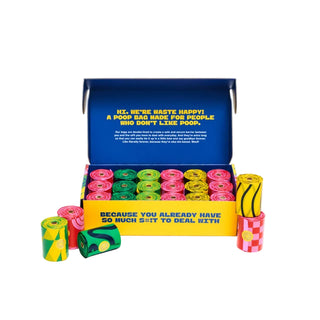
- Plenty of bags. A sitter walking your dog several times a day goes through them fast. Here is how many poop bags you actually need.
The bottom line
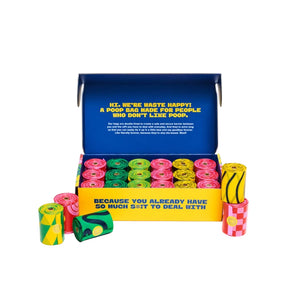
Pick the option that fits your dog, not just your calendar, and check vaccines with weeks to spare. Whoever ends up holding the leash, make sure they are holding bags too. Take the quiz to see how many your dog goes through in a month, or grab a box to leave with the sitter.
This article is general information, not veterinary advice. Ask your vet which vaccines your dog needs and when, and call promptly if your dog coughs, breathes hard or seems unwell after a stay.
Sources
- Ellis J, Marziani E, et al. 2022 AAHA Canine Vaccination Guidelines. Journal of the American Animal Hospital Association, 2022; 58(5)
- American Kennel Club, Bordetella Vaccine for Dogs: What to Know
- Merck Veterinary Manual, Canine Influenza (Flu)
- Ohio State University College of Veterinary Medicine and AKC Canine Health Foundation, Canine Infectious Respiratory Disease Complex (CIRDC): Information for Dog Owners, May 2020
- Cornell University College of Veterinary Medicine, Riney Canine Health Center, The Risks of Kennel Cough
- Cornell University College of Veterinary Medicine, Riney Canine Health Center, Canine Respiratory Disease Outbreaks
- American Kennel Club, How to Plan for Your Dog's Care When You Leave Town
- American Kennel Club, What to Know and Look for When Boarding Your Dog
- American Kennel Club, How to Find and Choose a Pet Sitter
- American Kennel Club, The Complete Guide to Traveling With Your Dog
- WCJB, Alachua County shelter suspends intakes, adoptions amid respiratory outbreak, October 8, 2026
- WCJB, Alachua County shelter resumes dog adoptions after illness outbreak, October 21, 2026