







Clocks Fall Back November 1: How to Shift Your Dog's Potty and Meal Schedule
Your dog does not read clocks. When they fall back November 1, breakfast and walks suddenly run an hour late. A one-week plan, plus what to do for puppies, seniors and dogs on medication.
Your dog does not own a watch, but has strong opinions about breakfast. On Sunday, November 1, the clocks fall back an hour. You get an extra hour of sleep. Your dog gets a late breakfast and, quite possibly, a walk in the dark.
The short answer
Dogs run on routine and daylight, not clocks, so after the clocks fall back on Sunday, November 1, breakfast and walks will feel an hour late to your dog. Starting Monday, October 26, shift meals and walks about 10 minutes later each day, or just switch if your dog is easygoing. Ask your vet about timed medication.
What changes on November 1
According to the National Institute of Standards and Technology (NIST), daylight saving time ends at 2 a.m. local time on Sunday, November 1, 2026. The clock goes back to 1 a.m., and you get that hour twice.
To your dog, that means breakfast, the morning potty break and the evening walk all run an hour late overnight. The AKC's GoodDog! Helpline says an hour early is usually no problem for dogs, but fall back is "another story," especially at dinnertime. (Hawaii, most of Arizona and several US territories skip the change entirely, per NIST.)
Dogs run on routine and daylight
The American Kennel Club says most researchers doubt dogs understand time as an idea, though dogs do sense it passing, and they "will definitely let you know when it's time for them to eat." AKC chief veterinarian Dr. Jerry Klein adds: "Dogs respond to daylight, and they wake when the sun rises and sleep when it's dark." On Sunday, sunrise comes an hour earlier by the clock. So might your dog, although the pet dogs in the one study on this mostly did not.
Dogs are also creatures of habit, the AKC says, and a sudden switch can throw some of them off: worry, an upset stomach, an indoor accident.
What the research says
University of Toronto researchers, in what they call the first study of daylight saving time and dog activity, tracked 25 sled dogs and 29 pet huskies and malamutes through the fall change in and around Ontario. PLOS ONE published it in 2025.
- The sled dogs' handlers arrive at 7:30 a.m. by the clock, which roughly lined up with sunrise until the change. That Sunday, the dogs were more active in the hour before the handlers showed up. They took about a day to adjust.
- The pet dogs showed no clear change in morning activity.
- Older pet dogs were the exception, less active on the first morning. The researchers called that unexpected and worth more study, but recommend owners of older dogs be "especially mindful" of sudden routine changes.
The authors say their findings highlight the importance of flexible routines and gradual changes. Our caveats: one small study, pet dogs of just two breeds, and it tracked movement, not appetite or accidents. We found no study of a gradual plan, so the schedule below is practical advice, not research.
The one-week plan
The AKC says to gradually adjust eating, walking and bedtime in the week before the change. The Animal Emergency & Referral Center of Minnesota, a veterinary emergency hospital, suggests 15 minutes a day. Starting Monday, October 26, try 10 minutes a day through Saturday, bedtime included. For a dog on a 7:00 a.m. and 5:30 p.m. routine:
To your dog, Sunday's 7:00 is Saturday's 8:00. Nothing moved.

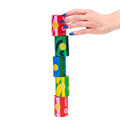
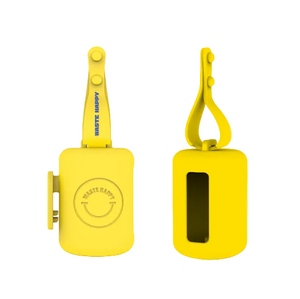
- Add a few minutes to walks. The Minnesota hospital suggests it so your dog can fully empty their bladder and bowels while the schedule shifts. Pack a spare bag.
- Saturday is Halloween. If a 6:30 p.m. walk means trick-or-treat traffic, go earlier. See our Halloween safety guide.
- Starting late? Slide after the change: on Sunday, feed and walk at 6:00 a.m. and 4:30 p.m. new time (on time, to your dog), then 10 to 15 minutes later each day until you reach 7:00 and 5:30.
Or just switch on Sunday
Given the pet dog results, switching on Sunday is a reasonable call for an easygoing adult dog (our reading of one small study, not a promise). If the switch seems to stress your dog, the GoodDog! Helpline suggests going slower: 30 minutes one week, 30 the next.
Puppies, seniors and dogs on medication
Puppies. The AKC's puppy potty schedule says to take a puppy out first thing in the morning, right after naps and 5 to 30 minutes after a meal. Our take: if your puppy wakes early on Sunday, that first trip cannot wait. If your puppy is up early on Sunday, so are you. Shift meals gradually and the after-meal trips move with them. More in our puppy poop schedule.
Seniors. Older dogs were the one group the Toronto study flagged, so use the slow version. If accidents or restless nights last past the first week, tell your vet.
Timed medication. Insulin is the big one: per VCA Animal Hospitals, a diabetic dog's food and insulin go together, at set times every day. Do not improvise. Ask your vet before November 1 how, or whether, to shift the timing, as the Minnesota hospital advises.
The evening walk goes dark
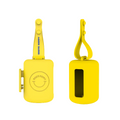
Sunset jumps an hour earlier by the clock too, so a walk at dusk now is a walk after dark once the clocks change. The CDC advice for anyone walking: wear bright, reflective clothing and use lights when it is dark. For your dog, that means a reflective leash or a clip-on collar light. A headlamp helps you find what your dog leaves behind. More in the dark walks section of our winter poop bag guide and in can dogs see fall colors.
The short version
Your dog does not know about daylight saving time. Your dog knows breakfast is late. Slide the schedule, call the vet about medication and bring a light.
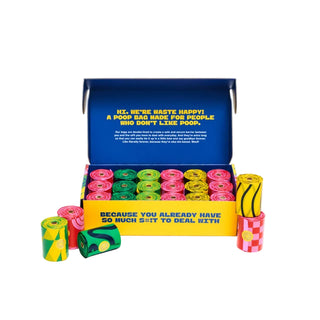
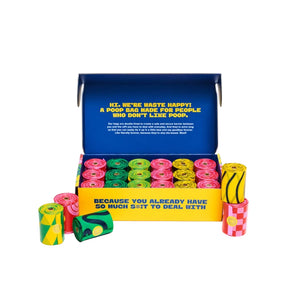
The clock changes, but the bag still goes on every walk. Take the quiz to see how many bags your dog actually needs each month, or grab a box before the evenings go dark.
This article is general information, not veterinary advice. If your dog takes insulin or any other scheduled medication, ask your vet before changing when it is given.
Sources
- National Institute of Standards and Technology, Daylight Saving Time Rules
- American Kennel Club, How Does Daylight Saving Time Affect Dogs?
- AKC Reunite, Daylight Savings & Helping Your Dog Deal with Routine Changes
- Nagendran, Li, Samson and Schroeder, The Impact of Daylight Saving Time on Dog Activity, PLOS ONE, 2025
- Animal Emergency & Referral Center of Minnesota, How Daylight Savings Time Affects Your Pets, March 9, 2017
- American Kennel Club, Puppy Potty Training Schedule: A Timeline for Housebreaking Your Puppy
- VCA Animal Hospitals, Diabetes Mellitus: Principles of Treatment in Dogs
- Centers for Disease Control and Prevention, Making Walking and Rolling Safer