







Sudden Accidents in the House? The Medical Reasons Vets Check First
Your housebroken dog suddenly started having accidents. Before you blame behavior, rule out a medical cause. The conditions vets check, what to note for the appointment, and how to clean up right.
For years your dog has held it like a pro. Then a puddle shows up by the couch, then another by the back door.
The cause may have nothing to do with manners. November is National Pet Diabetes Month, as the veterinary news site dvm360 notes, and peeing more is one of the main signs of diabetes in dogs. It is one of several medical problems that can show up as accidents, which is why vets rule them out before anyone blames training.
The short answer
When a house-trained adult dog suddenly starts having accidents, the first step is a vet check for a physical cause. Urinary tract infections, diabetes, kidney disease, Cushing's disease, incontinence, diarrhea and, in seniors, cognitive decline can all cause it. Note how often it happens, how much, and how much your dog drinks. Never punish.
Why vets look for a medical cause first
VCA Animal Hospitals' house soiling guide, written by veterinary behaviorists, names four main causes of indoor accidents: house training that never fully stuck or has lapsed, physical illness, fear, anxiety or frustration, and marking. Especially when accidents start suddenly, it says to have your vet check for a physical illness.
Illness can undo training in a few ways, VCA explains: extra urine or frequent diarrhea can bring on urgency, pain can cut a bathroom break short, and brain changes, including ones that come with age, can make a dog forget.
The medical causes vets check
- Urinary tract infection. VCA calls a lapse in house training a red flag for a bladder problem. Other clues include constant requests to go out and whining while peeing.
- Diabetes. The four main signs, per VCA: drinking more, peeing more, eating more and losing weight. Extra sugar in the blood spills into the urine and pulls water with it, so the dog pees more and drinks to keep up. Once diabetes is regulated, usually with insulin shots, VCA says the outlook is good if care stays consistent.
- Kidney disease. More drinking and more peeing are the earliest signs of chronic kidney disease, says VCA, and they usually do not appear until at least two-thirds of the kidneys have stopped working well.
- Cushing's disease. The adrenal glands make too much of certain hormones, especially cortisol. VCA lists a bigger appetite, more drinking and more peeing as the most common signs. Long-term steroid medicine can cause one form of it.
- Urinary incontinence. This is leaking, not a choice: incontinent dogs leak without realizing it, says the Merck Veterinary Manual. The classic sign is a wet spot where your dog was lying. VCA says it may affect more than 20% of spayed female dogs, and says about 70% of cases respond well to medication alone.
- Diarrhea. Loose poop can beat the walk schedule. VCA lists parasites (here is what turns up in stool tests), diet changes, garbage raids and stress after travel or boarding among the common causes. If runny poops last more than two days, VCA says to call your vet. More in why is my dog's poop runny.
- Cognitive dysfunction in seniors. Signs include getting lost in familiar places, restlessness at night and soiling in odd spots, and VCA notes that experts recommend yearly screening from age 7. It is tricky to diagnose because illness can look similar: a dog with kidney disease may simply be unable to hold it. For more senior changes, see big dogs age faster.
- Medications. Some drugs, steroids like prednisone among them, can make a dog drink and pee more, VCA notes. If the accidents started after a new prescription, tell your vet.
Signs, causes and tests at a glance
These overlap. Diabetes, kidney disease, Cushing's and incontinence can all make UTIs more likely, VCA says, so vets test rather than guess. If the history and exam do not explain it, VCA's guide to testing for indoor urination says more testing will likely be needed, and the basic screen is a blood count, a blood chemistry panel and a urinalysis.
When it is not medical
If the tests come back clean, VCA's behaviorists point to a few usual suspects.
- Marking. A mark is usually a small squirt on something upright, like a couch corner or a potted plant, not a full-bladder puddle. VCA says intact males mark most, but many neutered and spayed dogs do too, and change can set it off: a new dog nearby, a new housemate, new work hours. Neutering may reduce marking in some dogs but is "not a guaranteed cure," so ask your vet.
- Fear and anxiety. A dog who is scared outside may be too distracted to go, and some dogs struggle when left alone. If rain is the sticking point, here is what helps when your dog won't poop in the rain.
- Schedule changes. If you will be gone a long time, VCA suggests a pet sitter rather than making your dog wait. If your clocks fell back November 1 and you switched overnight, every walk suddenly ran an hour late to your dog. Here is how to shift a dog's schedule gently.
- A leftover habit. Relief feels good, VCA explains, so a dog who went on the rug while sick may keep using it after they recover. The fix is to restart house training as you would with a puppy. Our puppy poop schedule is a good refresher on timing.
What to tell your vet
The history holds clues, VCA notes: leaking while lying down can point to incontinence, straining to inflammation or a blockage, and heavy drinking with lots of urine to diabetes. Its behaviorists suggest a daily log of pees and poops. Write down:
- How often, and how often your dog asks to go out. Here is how often dogs normally poop.
- How much. A few drops on a couch corner is a different story from a lake in the hallway.
- Drinking. Our tip: measure the water you put down in the morning and what is left at night.
- When, and what changed. Asleep, alone, overnight? New food, medicine, pet or work hours?
- Appetite and weight.
For diarrhea, VCA says your vet will likely want a fresh stool sample.
Call right away if
- Your dog strains to pee and little or nothing comes out. VCA says straining to urinate could be an emergency, and Merck warns that with a blocked urethra, toxic waste builds up in the blood quickly.
- The diarrhea is "severe, bloody," in VCA's words, or comes with vomiting, weakness or fever. VCA says to get care as soon as possible.
Clean it right, and skip the scolding
Dogs are often drawn back to spots that already smell like a bathroom. VCA recommends a cleaner with enzymes that break down urine and feces, and the American Kennel Club also says to use an enzyme cleaner.

Then, no punishment. The ASPCA puts it plainly: "a dog will not learn anything by being scolded for a past accident, even one a few minutes old." The AKC adds that a punished dog may start sneaking off to go where you cannot see. Catch them mid-accident? The AKC suggests a word to get their attention, not a yell, then straight outside. And that "guilty" look? VCA's behaviorists say it more likely means your dog is worried.
The bottom line
New accidents in a house-trained dog are information, not defiance. (That framing is ours.) Take notes, book the vet, use an enzyme cleaner and keep your voice friendly. Many of these causes can be treated or managed.
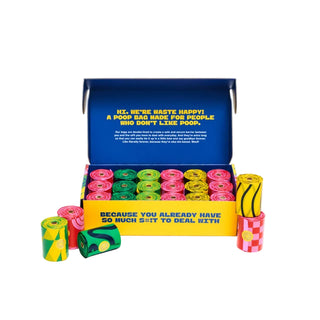
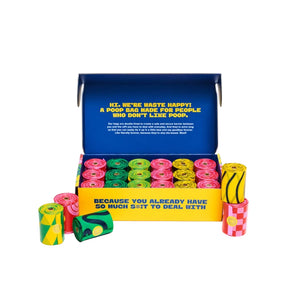
If your vet prescribes more trips outside (VCA lists them among the ways incontinence is managed), bring a bag on every one. Take the quiz to see how many bags your dog needs each month, or grab a box so the leash is never empty.
This article is general information, not veterinary advice. If your dog suddenly starts having accidents, is drinking much more than usual, is straining to pee or has bloody diarrhea, talk to your vet.
Sources
- dvm360, National Pet Diabetes Month: Raising Awareness and Making Strides, November 29, 2021
- VCA Animal Hospitals, Dog Behavior Problems: House Soiling
- VCA Animal Hospitals, Testing for Inappropriate Urination (Urinating in the House)
- VCA Animal Hospitals, Urinary Tract Infections (UTIs) in Dogs
- VCA Animal Hospitals, Diabetes Mellitus in Dogs: Overview
- VCA Animal Hospitals, Chronic Kidney Disease in Dogs
- VCA Animal Hospitals, Cushing's Disease in Dogs
- VCA Animal Hospitals, Urinary Incontinence (Urethral Incontinence) in Dogs
- VCA Animal Hospitals, Diarrhea in Dogs
- VCA Animal Hospitals, Cognitive Dysfunction Syndrome in Senior Dogs and Cats
- VCA Animal Hospitals, Dog Behavior Problems: Marking Behavior
- Merck Veterinary Manual, Noninfectious Diseases of the Urinary System in Dogs
- ASPCA, House Training Your Dog or Puppy, September 25, 2014
- American Kennel Club, How to Potty Train an Older Dog: Housetraining Adult Dogs