



A movie puppy makes it look easy. What the research says about pets as gifts, what the ASPCA and AKC advise, the real first month of puppy work, and the holiday hazards to plan for.
A Dog's Perfect Christmas lands on Netflix on November 4, 2026. Dennis Quaid plays a grieving grandfather, Mary Steenburgen co-stars, and the story comes from W. Bruce Cameron's 2020 novel. According to What's on Netflix, the trailer opens with a young basset hound popping out of a Christmas present, and a corgi puppy named Ruby helps pull a struggling family back together.
On screen, a puppy under the tree is pure magic. In real life, it comes with a potty break before your first cup of coffee, every morning, for months. So before you put a bow on anyone, here is what the research, the ASPCA and the American Kennel Club actually say.
The short answer
Only for someone who already wants a dog, has time for one and, ideally, helped choose it. A 2013 ASPCA survey found most people given a pet said it did not lessen their love for it. Still, the AKC says to involve the recipient and suggests waiting until after the holidays. Wrap the supplies instead.
Are gift pets loved less? What one survey found
The fear is a surprise puppy back at the shelter by February. To test it, researchers at the ASPCA ran a July 2013 phone survey of 1,006 US adults. Of those, 222 had been given a dog or cat as a present in roughly the previous 10 years. Their answers, published in the journal Animals:
- Love. Asked whether getting the pet as a gift changed their love or attachment, 126 of 218 said it went up and 86 said it made no difference. Only a handful said it went down.
- Staying power. Of 215 who answered, 169 (79%) still had the pet. Another 25 pets had died, and 21, about 1 in 10, had gone to another home.
- Surprises. More than half said the pet was a surprise and they were fine with that. Only 17 were surprised and wished they had been involved. Surprise or not, the researchers found no significant difference in love or in whether the pet was still home.
Now the fine print. The authors call it a small, cross-sectional sample from a survey not built only for this question, and "love or attachment" was each person's own sense of it, not a validated scale. Dogs and cats were counted together, from any occasion, not just Christmas. And with only gift recipients in the analysis, it cannot compare gift pets with pets people chose themselves. For that, the authors point to earlier shelter studies, which found gift pets were given up less often than pets from shelters, friends or pet shops.
Our read: the research says a gift pet is not doomed. It does not say a surprise puppy is a good idea for someone who never asked for one.
What the ASPCA and the AKC advise
The ASPCA does not say never. Its position statement sets some conditions:
- They have wanted a pet for a while. The ASPCA's phrase is "a sustained interest," plus the ability to look after the animal well.
- If it's a surprise, know their life. You need to know their schedule well enough to be sure they have the time and the means.
- For kids under 12, the parents have to be on board too. They need to be ready, and glad, to take on the care.
- They need time to help the pet settle in, which the ASPCA calls especially important over the holidays and other busy times.
The American Kennel Club is blunter: "It's never a good idea to give a dog or puppy as a gift if the recipient hasn't been actively involved in choosing them." It warns that the person may struggle to bond, or the breed may not suit their life. An AKC spokesperson put the timing question simply back in 2013: "it's much safer and wiser to bring a puppy into your life after the holidays have ended."
So what goes under the tree? The AKC's ideas, roughly:
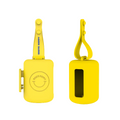
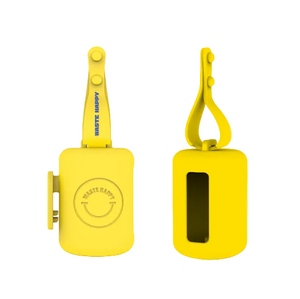
- The gear. Wrap what the puppy will need. The AKC's list includes a bed, a crate, bowls, a collar, a leash, toys and, yes, poop bags and a bag holder.
- The promise. For kids, a letter announcing that a puppy is on the way.
- The search, together. The AKC says most responsible breeders and rescues want to meet the whole family, kids included, and good breeders may have a waiting list.
- A class. A voucher for a puppy kindergarten or beginner training class.
The first month, honestly
The early weeks with a young puppy, per AKC, VCA and ASPCA guidance (your vet will adjust the details):
If that looks like a lot, plenty of families agree. In a 2025 study in PLOS One, researchers from the Royal Veterinary College and EviVet surveyed UK families with children aged 8 to 17 who had bought a puppy between 2019 and 2021, mostly during the pandemic. Just over a third of the adults (37.3%) said at least one part of training or managing their puppy had been worse than expected soon after it arrived. The item most often rated worse than expected was the puppy nipping or biting a child during play. Families were recalling events from years earlier, so treat it as a snapshot, not a forecast.
All those potty trips also add up to a lot of poop. Our puppy poop schedule walks through what to expect, and when a change is worth a vet call. VCA notes that intestinal worms are common in puppies, so here is what worms in dog poop look like.
Why Christmas week is a hard week to start
The AKC says holiday festivities and visitors make it hard for a puppy to settle in. Specifically:
- The routine disappears. Potty training runs on doing the same things at the same times. Travel, late dinners and a full house are the opposite.
- Doors get left open. The AKC has warned that visitors who do not own dogs can leave doors open, and a new puppy does not know the yard yet. Put an ID tag on day one, and ask your vet about a microchip.
- Guests bring bags. The ASPCA suggests asking houseguests to keep their medications in a closed cabinet, not a suitcase on the floor.
- The decorations are at puppy height. The ASPCA flags wires (a chewed one can deliver a potentially lethal shock), batteries, breakable ornaments, tinsel, uncovered tree water, holly, mistletoe, poinsettias and unattended candles.
- The food is everywhere. The ASPCA suggests sticking with your pet's usual diet. Fatty, sweet and spicy foods are risky, and so are turkey or chicken bones. Chocolate is its own problem: here is how much is too much, and which holiday foods are safe.
If a puppy is coming home anyway
If the whole family said yes and the puppy is chosen, great. Set up before the puppy arrives, not after. Our bet: of everything on the AKC's supply list, the bags get used first and most often.
Our new dog owner checklist covers what to have ready, and here is what works for small dogs and puppies.
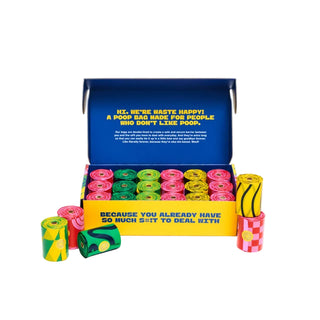
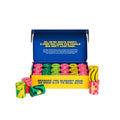
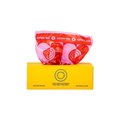
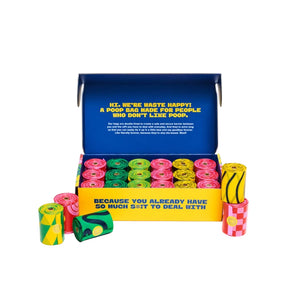
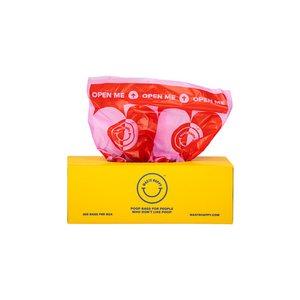
Whether you wrap a puppy or a promise, take the quiz to see how many bags a new dog actually goes through in a month, or grab a box to tuck in next to the leash.
This article is general information, not veterinary advice. Your vet sets your puppy's vaccine and deworming schedule. If your puppy chews a wire or eats a decoration, a holiday plant or food you are unsure about, call your vet or the ASPCA Animal Poison Control Center at (888) 426-4435 right away.
Sources
- What's on Netflix, Dennis Quaid Netflix Christmas Movie 'A Dog's Perfect Christmas': Cast, Trailer, Release Date and Everything We Know, October 12, 2026
- Weiss E, Dolan ED, Garrison L, Hong J, Slater M. Should Dogs and Cats be Given as Gifts? Animals, 2013; 3(4): 995-1001
- ASPCA, Position Statement on Pets as Gifts
- American Kennel Club, What to Do When Someone You Love Wants a Puppy for Christmas
- American Kennel Club, Don't Put a Puppy Under Your Tree! AKC Offers Tips for Safe Holiday Season with Your Dog, December 2, 2013
- American Kennel Club, Puppies Are Not Stocking Stuffers! AKC Offers Tips for a Safe Holiday Season with Your Dog, December 7, 2012
- American Kennel Club, How to Potty Train Your Puppy and Prevent Accidents Indoors
- American Kennel Club, Puppy Potty Training Schedule: A Timeline for Housebreaking Your Puppy
- VCA Animal Hospitals, Veterinary Care Recommendations for Puppies
- ASPCA, Cutting Pet Care Costs
- Belshaw Z, Brand CL, O'Neill DG, Packer RMA. More than just one man and his dog: The many impacts of puppy acquisition on the mental health of families including children in the UK. PLOS One, 2025; 20(9): e0331179
- ASPCA, Holiday Safety Tips